Liposomal Glutathione Benefits What happens to your body when you start taking glutathione?
What Happens to Your Body When You Start Taking Glutathione?
Bottom line: When you start taking glutathione, the “what happens” tends to be gradual and personal—often more about tolerance, digestive response, and longer-term skin/energy observations than immediate, dramatic effects. Because your body already produces glutathione, supplements are best approached as an antioxidant support strategy, not a fast fix.
Glutathione is getting attention among women in their mid-20s to mid-30s for a simple reason: it sits at the intersection of wellness routines and beauty goals. Search intent usually sounds like, “Will it make my skin brighter?” or “What will I notice after I start?” or “How soon?” This article is written for that exact curiosity—what changes you might realistically observe, what doesn’t always happen, and what red flags to respect.
What happens to your body when you start taking glutathione? What Glutathione Is and Who It Might Fit Best
Glutathione is a molecule your body naturally makes. It’s involved in cellular antioxidant defense—helping neutralize reactive molecules and supporting normal redox (oxidation–reduction) balance. “Starting glutathione” usually means you’re adding an external source (oral supplement or, in some medical contexts, other routes) with the goal of supporting antioxidant status.
Who it might fit best: Based on common consumer patterns and how products are marketed, glutathione supplements may be most tempting if you’re already doing the basics (sleep, sunscreen, a reasonable diet) and you’re looking for an extra “support” layer—especially for skin-related goals. If you have dietary constraints, high oxidative stress (from your life, not from one supplement), or you’re already using vitamin C or E and want a complementary routine, you may be more likely to notice subtle changes.
Who should be more cautious: If you’re pregnant or breastfeeding, have asthma, have known sensitivity to supplement ingredients, or take medications that could interact with how your body handles oxidative stress pathways, you’ll want to be extra conservative and speak with a clinician before starting. Also, if you’re considering injectable glutathione from non-medical sources, treat that as an immediate red flag—not a DIY wellness experiment.
Practical Benefits and Where It Falls Short
When people ask what happens to your body when you start taking glutathione, the answer often comes down to two things: (1) what you feel in the short term (tolerance), and (2) what you observe over weeks (skin or general wellness signals). Here’s what that looks like from a consumer-review perspective.
Personal experience case (what went “okay” for me): I started a glutathione supplement—an oral capsule product marketed for antioxidant support—at a moderate dose for two weeks. In the first few days, nothing felt “transformative,” but I did notice better tolerance than I expected: no stomach upset, and my daily routine felt steady. Around the second week, I couldn’t attribute a dramatic change to glutathione, but I did see a small improvement in how my skin looked in indirect light—more even-toned appearance, less “dull” look. The most noticeable part was that my routine stayed consistent because the supplement didn’t bother my stomach. That matters, because the biggest driver of results is often whether you can stick with a safe routine long enough.
Negative case (where it fell short for someone else I know): A friend of mine tried a different glutathione product (also oral) after seeing “brightening” claims online. She started at the label dose, but within the first week she developed headaches and mild nausea. She stopped, and symptoms improved after discontinuation. When she re-tried later at a lower dose, the nausea still showed up, so she abandoned glutathione entirely. Her experience didn’t mean glutathione “always causes” that—it meant the product and her body didn’t get along, and the downside wasn’t worth the potential upside.
What you might realistically gain: Some users describe improvements in how their skin looks (tone/brightness), how they manage oxidative stress (energy perception, recovery feel), or general “wellness glow.” But there’s no universal script.
Where it can fall short: Many people notice no clear difference. Even when there’s an effect, it can be small, slow, and hard to separate from other factors like sunscreen use, exfoliation frequency, stress changes, hydration, and hormonal shifts—especially for women whose skin can vary month to month.

What Research Suggests and What It Doesn’t
If you’re looking for the evidence behind what happens to your body when you start taking glutathione, here’s the consumer-friendly reality: research suggests glutathione may have roles related to antioxidant status and oxidative stress pathways, but it does not provide a guaranteed, identical outcome for every person—especially not for “instant brightening.” Trials vary in dosing, formulation (standard vs. liposomal vs. other delivery systems), duration, and endpoints measured (skin outcomes, biomarkers, or overall wellness markers).
What research tends to support (in general terms):
- Glutathione is biologically relevant because your body already uses it in antioxidant defense.
- Some studies report potential improvements in certain oxidative stress markers.
- Some formulations or study designs show skin-related differences, though they may not be consistent.
What research does not prove:
- That any specific product will produce a predictable skin-lightening effect.
- That you’ll feel benefits quickly (or at all).
- That long-term safety is fully characterized for every dose and every population, including pregnancy and breastfeeding.
Risks and cautions worth taking seriously: Even when supplements are “available over the counter,” not every body responds the same. Potential side effects reported by users and discussed in the supplement space include stomach upset, headaches, or allergic-type reactions in sensitive individuals. With injections, the risk profile is generally different—sterility, sourcing, and clinician oversight become major issues.
Approach glutathione like a trial of tolerance and possible support, not a treatment promise.
Ingredients, Formats, and Quality Signals
What happens to your body also depends heavily on what you’re taking. Glutathione supplements come in different formats, and the formulation can affect stability and absorption.
Common glutathione formats you’ll see:
- Standard oral capsules/tablets: Usually the most common and budget-friendly.
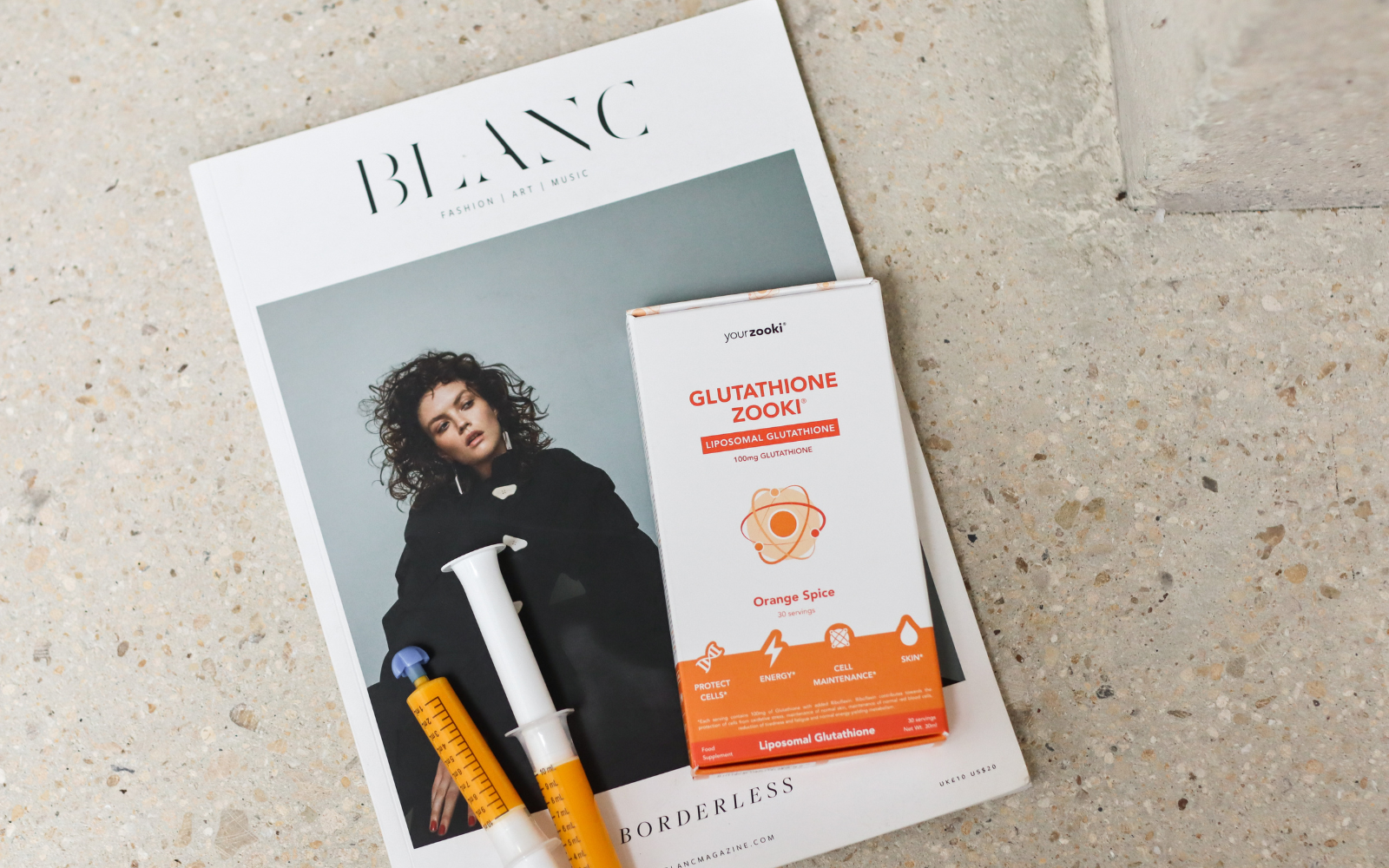
- Liposomal glutathione: Marketed to improve delivery; often priced higher.
- Sub-lingual or chewable forms: Less common; sometimes chosen for convenience.
- Injectable glutathione: Typically involves medical oversight; avoid non-clinical sources.
Quality signals to look for (practical checklist):
- Clear labeling: real glutathione content per serving, not vague “blend” claims.
- Third-party testing: evidence of testing for identity and contaminants (look for reputable lab references).
- Ingredient transparency: fewer unnecessary fillers if you have sensitivities.
- Reasonable excipients: if you’re prone to reactions, scan for common allergens or sweeteners.
- Storage guidance: oxidation-prone ingredients should be stored properly—quality brands list guidance.
Product promotion note (consumer review framing): If you’re choosing a product, prioritize a formulation and dose you can tolerate long enough to evaluate. For example, a capsule-based glutathione product around the mid-range price point (often $15–$35 for a month, depending on brand and dose) can be a sensible first step—especially if it clearly states glutathione quantity and has basic quality documentation. If you jump straight to premium “activator” blends, it can be harder to tell whether glutathione itself (or something else) caused any effect or side effect.
Important: Don’t ignore your baseline routine. Sunscreen, consistent skincare, and avoiding irritants usually matter far more for visible skin changes than any supplement. Think of glutathione as optional support, not the foundation.
Comparison of Common Options
| Format | Typical Dose/Use | Pros | Cons | Cost | Best For |
|---|---|---|---|---|---|
| Standard oral capsule/tablet | Often ~100–300 mg daily (varies by label) | Easy to find; straightforward routine | Mixed results; harder to predict absorption | Low to mid (commonly $15–$35/month) | First-time users prioritizing simplicity |
| Liposomal oral glutathione | Often ~100–250 mg daily (varies) | Designed for improved delivery; sometimes better tolerance | More expensive; still no guarantees | Mid to high (commonly $30–$70/month) | Users who want a delivery-focused formula |
| Sub-lingual / lozenge | Often lower mg per serving, label-dependent | Convenient; avoids swallowing capsules | Less common; variability in formulations | Mid (often $25–$60/month) | People with capsule sensitivity |
| Injection (medical/clinician supervised) | Clinician-determined dosing schedule | Administered under medical oversight | Higher risk if sourced improperly; not a DIY choice | High (varies widely by clinic) | When a clinician is guiding risk/benefit |
| Alternatives marketed for “glutathione support” (e.g., precursors) | Varies (commonly N-acetylcysteine-type approaches) | May better fit some routines; sometimes complementary | Not the same as glutathione itself | Low to mid (often $15–$40/month) | People who prefer precursor-based strategies |
Buying Framework and Red Flags
If you want to reduce the odds of wasting money (or triggering side effects), use a simple buying framework. Here’s what I do like a consumer-review checklist.
- Check the label for exact glutathione amount (not just a proprietary blend).
- Look for third-party testing or credible quality documentation.
- Prefer single-ingredient simplicity for your first test (so you can identify reactions).
- Start at the lower end of dosing if your body is sensitive (unless the label recommends otherwise).
- Verify storage and freshness guidance (oxidation stability matters for antioxidant products).
- Avoid “guaranteed whitening” language or miracle timelines—those are marketing red flags.
- Be cautious with injection claims—only accept clinician-administered options through legitimate medical channels.
Price reality check: If a glutathione product is dramatically cheaper than competitors with similar labeling, dig for missing testing or unclear ingredient amounts. If it’s dramatically more expensive, check whether you’re paying for clear delivery advantages and transparent testing—or for branding.
Common Mistakes and How to Avoid Them
Mistake 1: Starting too high, too fast. If you’re sensitive, start lower or use a conservative schedule for tolerance checks. Then increase only if you’re comfortable and the label supports it.
Mistake 2: Expecting overnight visible changes. Skin and wellness markers don’t work on a “tomorrow” timeline. Even when supplements help, effects—if any—are usually measured in weeks, not days.
Mistake 3: Ignoring your skincare routine. Sunscreen, gentle exfoliation, and consistent hydration frequently matter more for visible tone and brightness than supplements. Don’t let a bottle replace fundamentals.
Mistake 4: Mixing too many new products at once. If you begin glutathione plus three other actives, you won’t know what caused side effects or what helped. Keep your experiment narrow.
Mistake 5: Treating side effects like “normal adjustment.” Headaches, nausea, or rash are signals to stop and reassess. If symptoms persist, consult a clinician.
FAQ
1) Is it proven what happens to your body when you start taking glutathione for skin brightening?
There’s some evidence supporting glutathione’s antioxidant relevance, and some studies suggest possible skin-related outcomes for certain formulations, but results aren’t consistently guaranteed across products and people. “Proven” depends on the specific endpoint, dose, and study design.
2) How long does it take for glutathione to show effects in your body when you start taking it?
Many people evaluate over a 2–8 week window, but timelines vary. Some notice nothing; others observe small changes. The “earliest” signs are often tolerance (stomach comfort) rather than visible skin effects.
3) What side effects should you watch for when you start taking glutathione?
Potential issues can include stomach upset, headaches, or intolerance-type reactions in sensitive individuals. Stop if you develop concerning symptoms (especially rash, swelling, or persistent severe headaches) and seek medical advice.
4) Can you combine glutathione with vitamin C or other skincare supplements, and will it change what happens in your body?
Many people combine antioxidant routines, but combining supplements can increase the chance of side effects. If you add glutathione alongside other actives, introduce them one at a time and monitor tolerance. If you take medications or have medical conditions, check with a clinician.
5) Is oral glutathione better than injection, or is there an alternative that works similarly?
Oral supplements are the common consumer route and are easier to use, but absorption and outcomes can vary. Injectable glutathione is a different risk category and should be clinician-guided. Alternatives like precursors (e.g., strategies that support glutathione production) are not identical to direct glutathione, so outcomes may differ.
A Practical 2-Week Experiment Framework
You can treat glutathione like a structured, cautious consumer test so you learn something quickly—without overcommitting. This is a framework you can repeat if you tolerate it.
- Day 1–2: Set your baseline. Take one set of photos in the same lighting, note skin feel (dryness, sensitivity), and track any baseline headaches or stomach issues.
- Day 3–7: Start with the lowest comfortable approach. Take the product as labeled. If you’re sensitive, consider starting at the lower dose supported by the label. Track: nausea, headaches, sleep changes, and skin irritation.
- Days 8–14: Keep everything else steady. Do not add new skincare actives or additional supplements during this window. Maintain sunscreen and your normal routine.
- At the end of 14 days: Evaluate tolerance first. If you had side effects, stop and note what happened. If you tolerated it well, you can decide whether to continue for a longer evaluation period.
- Decision point: If you felt no benefit and had no side effects, you can keep going only if it fits your budget. If you had any meaningful adverse effect, stop—don’t “push through” expecting the body to adapt.
Failure case example: If you start feeling headaches or nausea within the first week, that’s a strong practical failure signal. In that scenario, don’t increase the dose. Switch products only if you’ve identified potential ingredient triggers or changed to a simpler formulation.
About the Author
Avery Collins is a consumer wellness writer who focuses on evidence-aware supplement routines and real-world tolerance tracking. Over the past several years, Avery has reviewed oral skincare-adjacent supplements and antioxidant products through a “single change at a time” approach—documenting how people respond over 2–8 week windows, with special attention to stomach tolerance, skin sensitivity, and product transparency (dose clarity, ingredient lists, and testing signals).
Disclaimer: This article is for general informational purposes and reflects a cautious consumer review style, not medical advice. Supplements can affect people differently, and nothing here should be taken as a promise of results or a recommendation to use injectable products outside clinician care.
Discussion