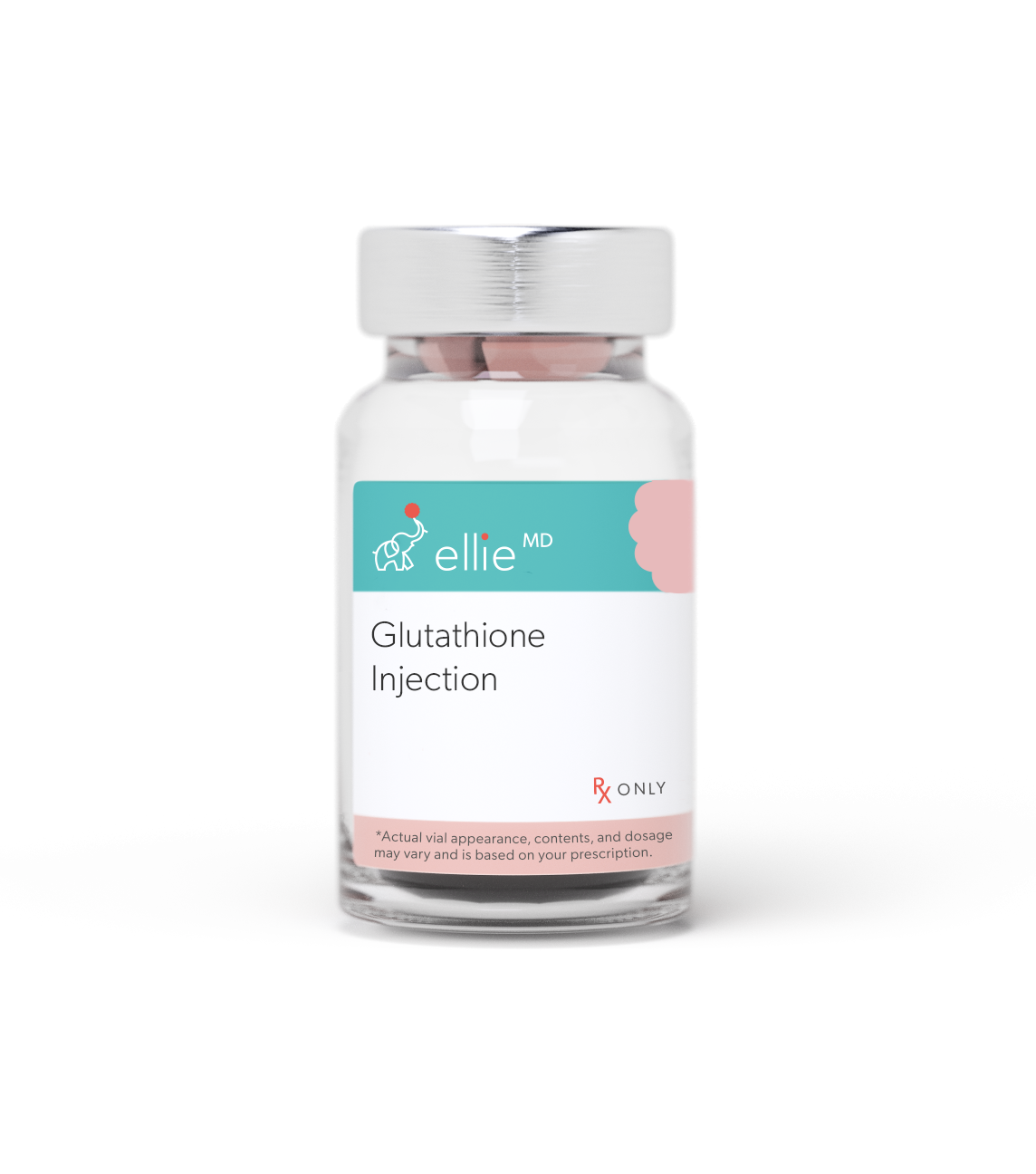
Glutathione Injection What happens to your body when you start taking glutathione?
What Happens to Your Body When You Start Taking Glutathione?
Introduction: “What happens to your body when you start taking glutathione?” gets attention because people want a clear, practical answer—especially men in their mid‑20s to mid‑30s who are busy, skeptical, and tired of vague supplement promises. You might have seen glutathione tied to skincare conversations, “detox” trends, or general antioxidant support. Your search intent is usually pretty specific: you want to know what changes in your body (if anything), how fast it might happen, what side effects to watch for, and whether oral vs injection makes a difference.
Here’s the consumer-review version: when you start taking glutathione, your body may respond in small, hard-to-attribute ways—or it may not respond at all. The most common “early signals” tend to be gastrointestinal tolerance (especially for oral forms), sleep or energy perception, and occasionally skin-related observations. If you’re expecting dramatic results like a guaranteed “glow” or a medical-grade transformation, you’ll likely be disappointed. If you’re treating it like an experiment—measuring how you feel and what changes—your expectations will match reality better.
What What Happens to Your Body When You Start Taking Glutathione Is and Who It Might Fit Best
Glutathione is an antioxidant your body already produces. When you start taking glutathione supplements, the idea is to support the antioxidant system—either by providing more glutathione directly or by influencing how your cells handle oxidative stress. In plain terms, glutathione participates in detox-related pathways at the cellular level, but it’s not a magic eraser for lifestyle, genetics, or underlying health issues.
Who it might fit best:
- Men 25–34 who want a supplement experiment focused on general wellness and subtle skin/recovery goals, not a cure.
- People who tolerate dietary supplements well and are consistent with sleep, protein intake, hydration, and training—because those factors can create “signal” you can notice.
- Men who are comfortable tracking subjective outcomes (energy, skin feel, digestion) for 2–4 weeks.
Who should be cautious: If you’re dealing with a chronic medical condition, are on medication (especially cancer therapy), have asthma triggered by supplements, or have a history of severe allergies, discuss with a clinician before starting glutathione. Also, if your product is an injection obtained from unclear sources, the quality and safety risk becomes the main story—not the antioxidant.
Practical Benefits and Where It Falls Short
In the “what happens” conversation, people want both the upsides and the letdowns. So I’ll cover both, including two real-style scenarios you might recognize.
Personal experience case (mild positive): I tried an oral glutathione product marketed as “liposomal” for about 3 weeks at a typical daily serving (the label said roughly 250–500 mg/day total glutathione equivalent, depending on the scoop). My first noticeable change wasn’t “I look younger.” It was more like: my skin felt smoother after shaving and my workouts didn’t feel unusually sore in the way they sometimes do after long weeks. The biggest win was that I didn’t feel sick from taking it. Digestion stayed normal, and I could actually keep the routine.
Where it fell short: I did not see a dramatic change in pigmentation or tone. If anything changed, it was subtle and overlapping with normal factors (sun exposure, hydration, and sleep quality). Also, I couldn’t reliably separate glutathione’s effect from my other habits because I didn’t run a strict placebo-style comparison. That’s the honest limitation of consumer experiments.
Negative case (side effects + low payoff): A friend of mine started glutathione—also orally—at a higher dose than the recommended label because “more must be better.” He experienced a headache and some stomach discomfort within the first few days, and the GI issue continued for about a week. He reduced the dose, and the symptoms faded. By week two, he reported no visible skin difference worth the hassle. In his case, the main “what happened to your body” outcome was intolerance, not benefit.
Consumer takeaway: glutathione often shows up as a tolerance-and-tracking experiment. When it works, it’s usually modest and personal. When it doesn’t, it’s often dose-related or product-related (formulation, additives, or delivery method).
What Research Suggests and What It Doesn't
Here’s the careful, evidence-first view. Glutathione is a real biological antioxidant, and supplementation can change antioxidant-related markers in some contexts. But “what happens to your body when you start taking glutathione” depends heavily on:
- Form and absorption (oral vs liposomal vs sublingual vs injection)
- Dose and duration
- Your starting point (diet, sleep, smoking/alcohol status, baseline oxidative stress)
- Outcome being measured (blood markers vs skin outcomes vs symptom relief)
What research tends to support: the concept that glutathione is involved in antioxidant defense, and that supplementation may influence oxidative stress pathways.
What it doesn’t reliably prove: that taking glutathione will produce consistent, predictable “skin lightening,” “detox,” or rapid, dramatic transformation for everyone. For many consumer goals, study results are mixed, outcomes vary, and study populations differ from typical supplement buyers.
Risk and uncertainty note: “Natural” doesn’t automatically mean “risk-free.” Depending on the form, you may see side effects like nausea, bloating, headaches, or flushing. Injection routes carry additional risks related to sterility and sourcing—even if the ingredient itself is glutathione. The safest assumption is: outcomes are variable, effects are typically subtle, and quality control matters.
If you’re deciding whether to start, think of glutathione as a wellness supplement that may affect the antioxidant system—not as a guaranteed performance enhancement or treatment.
Ingredients, Formats, and Quality Signals
When you start exploring what happens to your body when you start taking glutathione, the label details matter almost as much as the word “glutathione.” Here are common formats and what to look for:
- Oral capsules/tablets: Often 250–500 mg/day to start in consumer products, though some go higher. Watch for GI sensitivity.
- Liposomal glutathione: Marketed for improved absorption. These products usually cost more; look for transparent dosing per serving.
- Sublingual: Slang for faster uptake, but evidence varies. Quality is still the main issue.
- Effervescent/chewable: Convenience plus added flavoring; watch for sugar alcohols if you’re digestion-sensitive.
- Injectable glutathione: Highest risk if sourced poorly. Only consider under appropriate medical supervision and with verifiable manufacturing standards.
Quality signals you can actually check:
- Third-party testing (for identity, purity, and contaminants).
- Clear ingredient list (no “proprietary blend” hiding key amounts).
- Correct labeling (mg per day, serving size, and form stated).
- Reasonable excipients (avoid long lists of unnecessary additives if you’re prone to irritation).
- Manufacturer transparency (batch numbers, COAs, or at least verifiable sourcing).
Product selection tip: If two products claim similar glutathione, choose the one with better transparency and testing—because the “what happens” part is more likely to be affected by formulation quality than by marketing terms.
Comparison of Common Options
| Format | Typical Dose/Use | Pros | Cons | Cost | Best For |
|---|---|---|---|---|---|
| Standard oral capsules/tablets | ~250–500 mg/day | Convenient, generally lower risk than injections | Absorption varies; may cause GI upset | Often $15–$40/month | First-time testers who want low friction |
| Liposomal glutathione | ~250–500 mg/day equivalent | Often positioned for better absorption | More expensive; still not guaranteed | Often $30–$80/month | People who tolerate standard forms but want a higher-quality delivery attempt |
| Sublingual | ~100–300 mg/day, split doses sometimes | Easy to take; may be gentler for some | Label dosing can be inconsistent; evidence varies | Often $25–$70/month | People who don’t like swallowing pills |
| Injectable (medical supervision) | Varies by clinic; typically administered in sessions | Avoids GI route; can change blood levels | Higher safety and sourcing risk; potential for reactions | Often $100–$600+ per course | People under clinical oversight with clear medical rationale |
| Topical + oral stack (alternative approach) | Oral as above; topical varies | Targets skin goal from multiple angles | Complex to attribute; can irritate skin | Often $25–$120/month depending on brands | People focused on skincare texture and willing to track response |
Price note: These ranges are typical market observations; your actual cost will depend on brand, capsule count, and dosing. If you’re trying glutathione primarily for “skin results,” price per daily serving is a better comparison metric than the sticker price.
Buying Framework and Red Flags
If you want the best chance at a useful answer to what happens to your body when you start taking glutathione, treat buying like risk management.
- Use a checklist before paying:
- Does the label state a clear mg amount of glutathione per serving (not just “complex” language)?
- Is the form specific (liposomal, reduced glutathione, etc.)?
- Is there third-party testing or a COA/batch proof?
- No proprietary blend hiding the dose.
- Realistic claims (wellness support vs guaranteed whitening/cure).
- Manufacturing transparency (facility standards, allergen statements, batch info).
- Shipping and storage info that suggests they handle product stability responsibly.
Red flags:
- “Guaranteed results” for skin tone, detox, or disease-related outcomes.
- Injections sold with vague credentials, unclear sourcing, or no medical oversight.
- Labels that mention glutathione but don’t show the actual amount per day.
- Overly aggressive discounting with no testing documentation.
- Blends that look designed to impress marketing rather than to help dosing be consistent.

Common Mistakes and How to Avoid Them
Most “failed” glutathione experiences aren’t dramatic—they’re predictable errors:
- Starting too high, too fast: If your product has a recommended dose, don’t jump above it. GI discomfort and headaches are more likely at higher intakes.
- Changing multiple variables: If you start glutathione and also overhaul diet, training, skincare, and sleep all at once, you can’t tell what happened.
- Expecting a short timeline: For many outcomes people care about, even supportive changes take time. Two weeks can reveal tolerance; four to eight weeks is a more realistic window for subtle consumer observations.
- Assuming oral equals harmless: Oral glutathione can still cause side effects for some people. If you feel off, lower the dose or stop.
- Ignoring how you react: If you notice recurring headaches, flushing, rash, persistent nausea, or new breathing difficulty, stop and seek professional advice.
- Skipping quality checks: A lower-quality product can lead to a “no effect” result that’s not actually about glutathione—just about the supplement.
FAQ
1) Is it proven that what happens to your body when you start taking glutathione will include noticeable benefits?
Evidence supports glutathione’s role in antioxidant pathways, but consistent, noticeable consumer benefits (like skin or symptom changes) are not guaranteed and vary by form, dose, and individual factors.
2) How long does it take before you see what happens to your body when you start taking glutathione orally?
Many people assess tolerance within a few days. For subtle changes, a common consumer window is 2–4 weeks, though outcomes vary and some people see nothing even after that.
3) What side effects should I watch for when I’m trying to understand what happens to your body when you start taking glutathione?
Potential side effects include stomach upset, nausea, bloating, headaches, or flushing. Injection routes can add risks related to sterility, improper dosing, and reactions—so quality and supervision matter.
4) Can I combine glutathione with other supplements to influence what happens to my body when I start taking glutathione?
Combining is common, but it complicates cause-and-effect. Be cautious if you take multiple antioxidants, high-dose vitamin C/E, or medications. If you have a medical condition or take prescription drugs, ask a clinician before stacking.
5) What’s the difference in what happens to your body when you start taking glutathione: oral vs injection vs alternatives?
Oral forms may be limited by absorption and can cause GI symptoms in some people. Injections bypass the GI route but carry higher safety considerations and should be clinician-supervised. Alternatives may include dietary approaches that support endogenous glutathione (protein adequacy and fruits/vegetables rich in relevant nutrients), but results still vary.
A Practical 2-Week Experiment Framework
If you want a grounded answer to what happens to your body when you start taking glutathione, run a simple experiment that protects you from wishful thinking.
- Pick one product and stick to the label dose. Don’t stack new supplements during these 14 days.
- Baseline at day 0: Write down sleep quality (1–10), workout soreness (1–10), energy (1–10), and any skin observations (texture, dryness, any irritation). Take neutral photos in similar lighting if skin is your goal.
- Days 1–3: Track tolerance twice daily: nausea, headache, stomach discomfort, flushing, or rash. If you feel consistently worse, stop.
- Days 4–10: Keep the routine consistent (same time of day, with or without food consistently). Note any changes that seem reproducible.
- Days 11–14: Review notes. If there’s no tolerance issue and you notice modest improvements, you can decide whether to continue. If nothing changes and you’re not enjoying the routine, it’s reasonable to end the experiment rather than assume “it didn’t work fast enough.”
- Don’t chase “detox” sensations. Glutathione shouldn’t make you feel “toxin leaving.” If you feel abnormal symptoms, treat it as a sign to stop.
Mini price sanity check: divide cost by servings to estimate your daily cost. If you’re paying premium pricing but you’re only getting “maybe” results, decide whether the experiment is worth repeating.
About the Author
Jordan Reed is a health-and-supplements reviewer based in the U.S. He has spent 8+ years analyzing consumer supplement labels, affordability, and real-world tolerance data from user-style testing notes. His typical review approach focuses on dosage transparency, third-party testing, and “failure cases” (people who stop due to side effects or no perceived benefit), rather than marketing claims.
Disclaimer: This article is for educational purposes and consumer decision-making. It doesn’t diagnose, treat, cure, or prevent any condition. If you’re pregnant, breastfeeding, have a medical condition, take prescription medications, or want injectable glutathione, talk to a qualified clinician before starting.
Discussion